Rising Tensions in the Persian Gulf
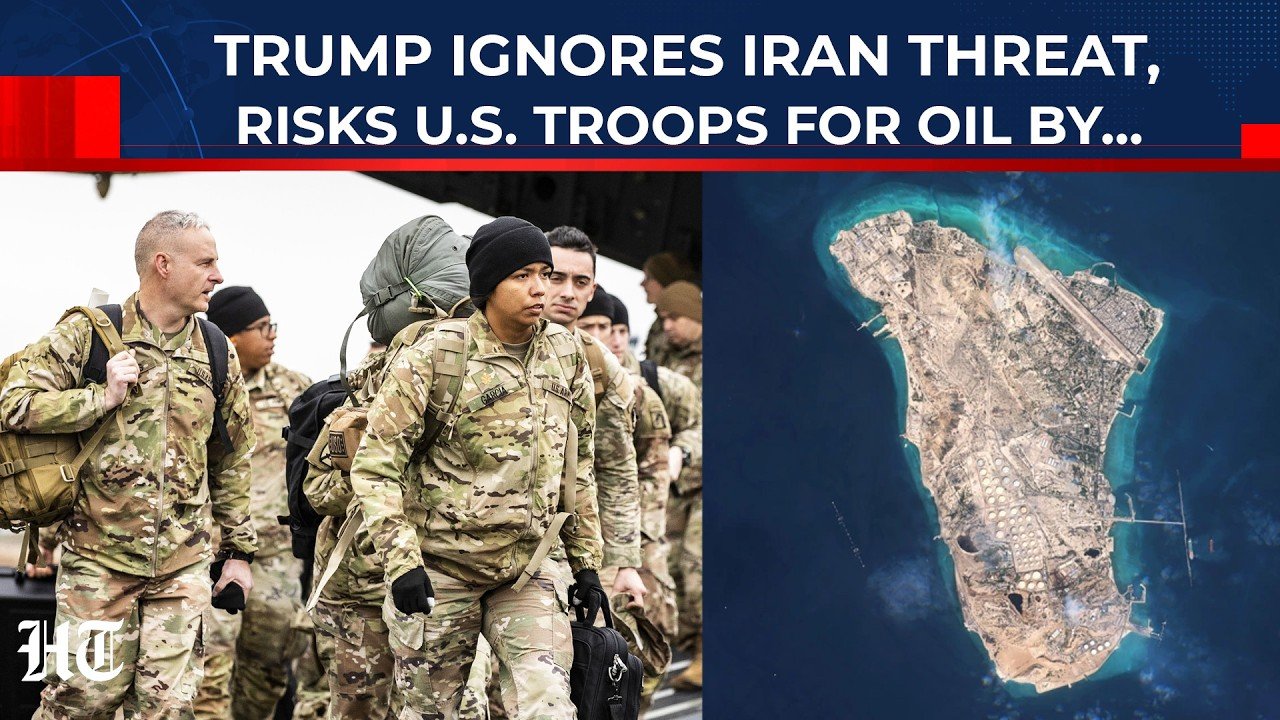
The geopolitical landscape in the Middle East has entered a dangerously volatile phase as tensions between the United States and Iran continue to escalate. At the center of this crisis lies Kharg Island, Iran’s most critical oil export hub, responsible for handling nearly 90 percent of the country’s crude shipments.
Recent statements and actions by former U.S. President Donald Trump have intensified fears of a wider conflict. His warnings about potential strikes on Iran’s energy infrastructure and even suggestions of seizing Kharg Island have sent shockwaves through global markets and military circles alike.
As both nations exchange threats and bolster their military presence, analysts warn that the situation could spiral into a catastrophic confrontation with far-reaching consequences.
Kharg Island: The Strategic Heart of the Conflict
Kharg Island is not just another territorial asset—it is the backbone of Iran’s oil economy and a vital node in the global energy supply chain. Situated in the Persian Gulf, the island connects Iran’s oil fields to international markets through vast storage and export facilities.
Any military action targeting this region would have immediate and severe implications. Disruption of operations on Kharg Island could choke global oil supplies, pushing prices to unprecedented levels and destabilizing economies worldwide. Trump’s reported consideration of seizing the island represents a dramatic escalation. Such a move would likely require a ground invasion, placing U.S. troops directly in harm’s way in one of the most heavily defended regions in the Middle East.
Military Build-Up and the Risk to US Troops
The deployment of additional American forces to the region has raised alarm bells among defense experts. Reports indicate that thousands of U.S. troops have already been moved closer to the Persian Gulf, signaling preparations for a potential escalation. Iran, for its part, has responded with equal determination. Officials have warned that any attempt by U.S. forces to land on Kharg Island would be met with overwhelming retaliation. The island has reportedly been fortified with mines, missile systems, and defensive positions designed to repel an invasion.
This creates a highly dangerous scenario. A direct confrontation on Kharg Island could result in significant casualties on both sides, particularly for U.S. troops operating far from home bases and within range of Iranian defenses.
Diplomatic Signals Mixed with Military Threats
One of the most concerning aspects of the current crisis is the conflicting messaging coming from Washington. On one hand, Trump has suggested that negotiations with Iran are progressing and that a deal may be within reach.
On the other hand, he has issued stark warnings, threatening to target Iran’s power plants, oil wells, and critical infrastructure if Tehran fails to comply with U.S. demands. This dual-track approach—combining diplomacy with aggressive military posturing—has created confusion and mistrust. Iranian officials have dismissed claims of negotiations, accusing the United States of using diplomacy as a cover for preparing a larger military operation.
Such contradictions increase the likelihood of miscalculation, where one side misinterprets the other’s intentions, potentially triggering unintended conflict.
Global Oil Markets on Edge
The impact of the crisis is already being felt in global energy markets. Oil prices have surged sharply amid fears of supply disruptions, with Brent crude climbing above $110 per barrel.
The Strait of Hormuz, a narrow waterway near Iran, plays a crucial role in global oil transport, with nearly one-fifth of the world’s crude passing through it. Any disruption to this route could have devastating consequences for energy-dependent economies.
Trump’s warnings about potential strikes on Iran’s oil infrastructure, combined with Iran’s threats to retaliate against U.S.-linked facilities, have heightened concerns that the conflict could expand beyond military targets to include economic warfare.
The Threat of a Broader Regional War
The stakes extend far beyond the United States and Iran. The conflict risks drawing in other regional and global powers, potentially transforming a bilateral standoff into a broader war. Iran has already demonstrated its willingness to respond through missile and drone attacks targeting U.S. interests and allies across the region. Meanwhile, the United States has hinted at forming a coalition to secure shipping lanes and counter Iranian actions.
Such developments raise the possibility of a multi-front conflict involving several countries, increasing both the scale and the unpredictability of the crisis.
Human and Strategic Costs
While much of the discussion has focused on strategy and economics, the human cost of a potential conflict cannot be ignored. Previous strikes and ongoing hostilities have already resulted in casualties and displacement across the region.
A full-scale confrontation involving ground troops on Kharg Island would likely lead to significant loss of life, particularly given the island’s strategic importance and heavy fortification.
For the United States, this raises difficult questions about the risks being placed on its military personnel. For Iran, it represents a fight for national sovereignty and economic survival.
Conclusion: A Critical Moment for Global Stability
The current standoff between the United States and Iran represents one of the most dangerous geopolitical flashpoints in recent years. With Kharg Island at the center of the crisis, the stakes are extraordinarily high—not just for the two nations involved, but for the entire world. Trump’s next move will be critical in determining whether the situation escalates into a full-scale conflict or moves toward a negotiated resolution.
As military forces gather and rhetoric intensifies, the margin for error continues to shrink. Without careful diplomacy and restraint, the world could be on the brink of a major calamity—one that would reshape global politics, disrupt economies, and cost countless lives.